Venture Global Starts Long-Term LNG Sales at Plaquemines
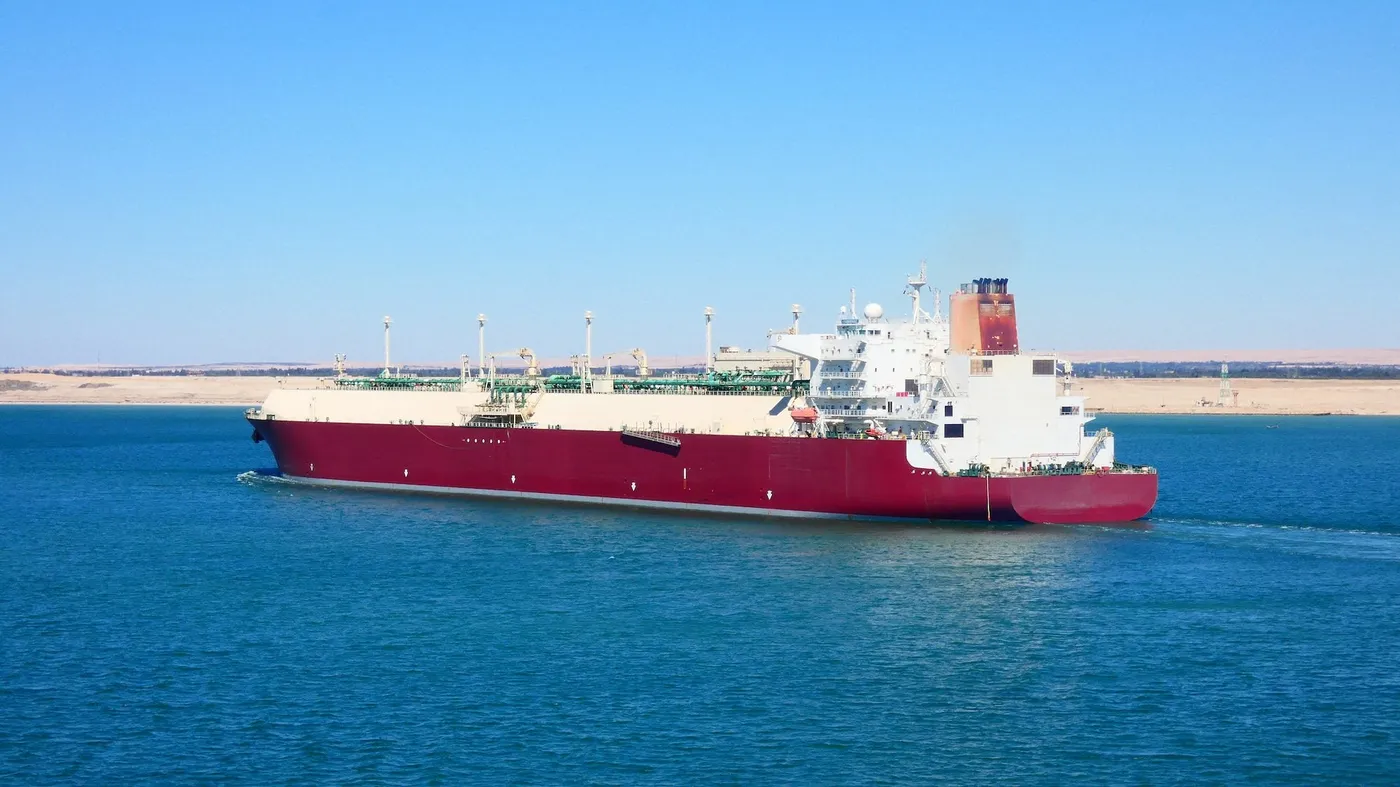
Venture Global has moved its Plaquemines export terminal in Louisiana into commercial operations, with Shell receiving the first cargo under a long-term sales contract as Phase 1 commissioning wrapped up.
Plaquemines finished Phase 1 commissioning on Saturday, twenty-two months after the facility produced its first liquefied natural gas, according to a company statement.
The Malaga Knutsen tanker loaded that first commercial Shell cargo and departed the terminal at 0926 GMT on Sunday.
Chief Executive Mike Sabel said reaching commercial operations at the first phase of the company's second LNG project within 53 months reflected the dedication of the project team.
Phase 1 buyers, including Shell, Orlen, Sinopec, CNOOC Gas & Power and EDF, are lined up to receive cargoes under long-term agreements.
Pricing on those contracts will sit well below recent market peaks, with the Dutch TTF benchmark near 46-month highs of about $34 per mmBtu and the Japan-Korea Marker around $32.
The company has leaned heavily on commissioning periods at its plants, previously selling Plaquemines cargoes into a spot market where prices have spiked during the ongoing Middle East conflict.
Five years after starting out, Venture Global now ranks as the second-largest LNG producer in the United States, backing the country's position as the world's leading exporter of the fuel.
For engineers and procurement teams, the shift from commissioning cargoes to contract deliveries changes the operating profile at Plaquemines in ways that reach deep into the equipment supply chain.
During commissioning, liquefaction trains can run intermittently and flexibly, but once long-term sales begin, duty turns to baseload and every hour of unplanned downtime carries direct contractual weight.
That transition typically accelerates spending on rotating equipment overhauls, cryogenic valve refurbishment, boil-off gas compressor maintenance and scheduled replacement of seals and gaskets across the train.
Vendors supplying control valves, surge protection, cryogenic piping and instrumentation should expect procurement to move from one-off commissioning support toward standing reliability programs.
The pricing backdrop reinforces that push: with European TTF near $34 per mmBtu and the Japan-Korea Marker around $32, cargo economics comfortably justify full utilization, so operators have little reason to defer maintenance.
A plant that reached commercial operations 53 months after launch and 22 months after first LNG is also a reminder that Gulf Coast liquefaction schedules compress equipment lead times, and suppliers holding stock or fast-track capacity for LNG-duty valves, pumps and compressors are best placed to capture the difference.
Related News
- LNGRussia Extends Diesel Export Ban Through End of January
- LNGColombia Relies More on LNG Imports as Gas Output Slides
- LNGIGX Proposal for Booking Unutilised LNG Regasification Capacity Gets Nod From PNGRB
- LNGSmall Scale LNG Market worth $34.25 billion by 2031 - Exclusive Report by MarketsandMarkets™
- LNGFog of War Deepens in Hormuz as UKMTO Says Most Ship Attacks Go Unreported
- LNGInternational Seaways Adds to VLCC Fleet with $370 Million Bruton Deal