Russia Extends Diesel Export Ban Through End of January
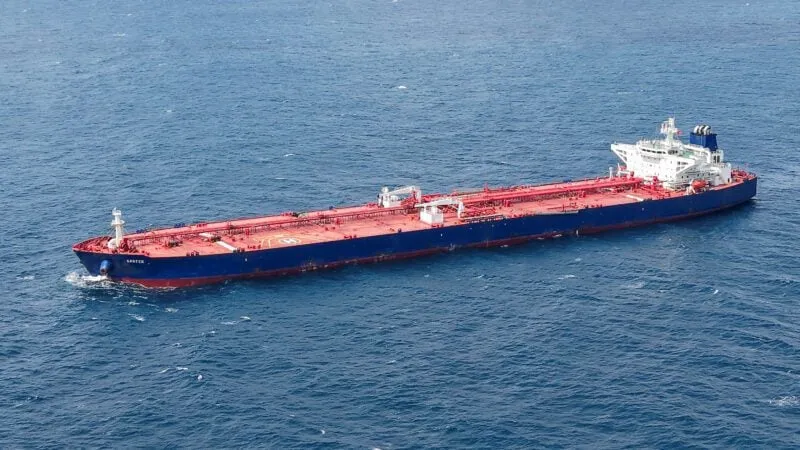
Russia has extended a general ban on diesel exports by producers until the end of January, while keeping channels open for selected volumes to reach the global market.
The decision, announced through a government statement on Saturday confirming that the relevant decree had been signed, is intended to maintain stability in the domestic fuel market.
Speaking on Friday, Deputy Prime Minister Alexander Novak said that alongside the extension, the government is preparing exemptions allowing certain suppliers to ship diesel to global markets, following the same pattern as exemptions introduced in October and planned again for November.
The decree itself has not yet been made public.
Russia relaxed the terms of its export ban earlier this month, after US President Donald Trump said he was working with President Vladimir Putin to release Russian diesel back onto global markets.
On volumes, Novak said Russia plans to export about 2.15 million tons of diesel in November, after shipping roughly 510,000 tons during October.
He added that regular attacks on the nation's refineries may lead to some reduction in export volumes, although the effect is not expected to be significant.
As of late October, a total of four tankers had departed Baltic ports carrying Russian diesel, according to the deputy prime minister.
For engineers and procurement teams, the arithmetic inside this decree is worth unpacking, because it shows how slowly a partial reopening of a large export pipeline actually moves in physical terms.
November's planned 2.15 million tons of diesel would represent a major step up from the roughly 510,000 tons shipped during October, yet by late October only four tankers had left Baltic ports with cargo, which underlines how much scheduling work, terminal capacity and buyer readiness sit between a policy change and barrels actually moving.
A volume on the scale of November's plan implies dozens of mid-range product tanker liftings across the month, so chartering activity, berth availability at Baltic loading points and nomination discipline become the real bottleneck variables rather than the decree text itself.
The refinery attack risk flagged by Novak also matters for equipment suppliers, since repeated damage and urgent repairs at refining units sustain demand for replacement valves, fast-track piping spools, gaskets and specialist maintenance crews across diesel hydrotreating and distillation units.
Seasonal winter demand inside Russia adds a further layer, because every ton held back for domestic market stability tightens the balance that the planned exemptions must then service for foreign buyers.
For traders and freight desks, the gap between headline policy and the four tankers actually loaded by late October is the single metric worth watching through the winter.
Related News
- LNGColombia Relies More on LNG Imports as Gas Output Slides
- LNGIGX Proposal for Booking Unutilised LNG Regasification Capacity Gets Nod From PNGRB
- LNGSmall Scale LNG Market worth $34.25 billion by 2031 - Exclusive Report by MarketsandMarkets™
- LNGFog of War Deepens in Hormuz as UKMTO Says Most Ship Attacks Go Unreported
- LNGInternational Seaways Adds to VLCC Fleet with $370 Million Bruton Deal
- LNGSouthern California Ports Shatter Cargo Records as Imports Surge