West Africa’s ore boom meets China’s growing VLOC armada
West Africa is fast becoming dry bulk shipping’s biggest growth engine, with its mineral export boom poised to absorb the equivalent of another 120 capesizes by 2030.
UK consultancy Tradeviews forecasts in a new report that shipments from the region will surge 50% from 2025 levels to 303m tonnes by the end of the decade, … Menu Africa Dry Cargo West Africa’s ore boom meets China’s growing VLOC armada Sam Chambers October 16, 2026 0 2,004 3 minutes read Winning Winning West Africa is fast becoming dry bulk shipping’s biggest growth engine, with its mineral export boom poised to absorb the equivalent of another 120 capesizes by 2030.
UK consultancy Tradeviews forecasts in a new report that shipments from the region will surge 50% from 2025 levels to 303m tonnes by the end of the decade, with Guinea’s giant Simandou iron ore project leading the charge.
Crucially for shipowners, the long voyages to China will magnify the impact on vessel demand.
“West Africa looks set to remain the fastest growing long-haul source of dry bulk cargo,” Tradeviews stated.
The five West African exporters covered by the consultancy shipped 160.1m tonnes in their principal trades during the first eight months of this year, up 25% year on year.
Liberian iron ore exports nearly doubled to 10.1m tonnes.
Tradeviews expects regional exports to reach 267m tonnes next year, with Guinean iron ore shipments climbing to 45m tonnes in 2027 and approximately 112m tonnes by 2030.
Bauxite exports, meanwhile, are forecast to retreat from a peak of nearly 194m tonnes this year to 153m tonnes by 2030 as Guinea pushes ahead with domestic alumina processing.
A capesize round voyage between Guinea and China takes approximately 78 days, compared with just 29 days on the Australia-China route.
Tradeviews calculates that moving a tonne from West Africa consequently absorbs around 2.6 times as much vessel time.
On this basis, the consultancy estimates West African trades will require the equivalent of 330 capesizes by 2030, compared with 210 last year.
There are, however, already signs that the region’s growth ambitions are running up against freight market realities.
In its latest weekly report, BRS Shipbrokers noted that exceptionally high freight rates had priced some higher-cost Guinean bauxite miners out of the export market.
Guinea shipped 15.61m tonnes of bauxite in September, down 12% from August, with freight costs at one point accounting for more than half the delivered value of the commodity.
The subsequent easing in capesize rates could provide some relief.
The C3 benchmark has fallen from $43.43 a tonne in late September to $32.95 on October 12, prompting BRS to suggest Guinean bauxite exports could recover by 5% to 10% month on month during November and December.
The broker described the situation as a “test of elasticity” rather than the start of another cargo boom, pointing out that Shandong alumina refineries processing imported ore lost RMB261.8 per tonne in September.
SSY has similarly warned that Guinean bauxite exports have retreated from early-September highs, observing that “shipping demand is turning more sensitive to margin levels on the mining side”.
Tradeviews did also caution that potential Guinean bauxite export restrictions, Simandou project delays, dedicated ore carriers and the displacement of Australian iron ore shipments could reduce the benefits for the wider capesize market with much of the market increasingly looking like a Chinese conveyor belt.
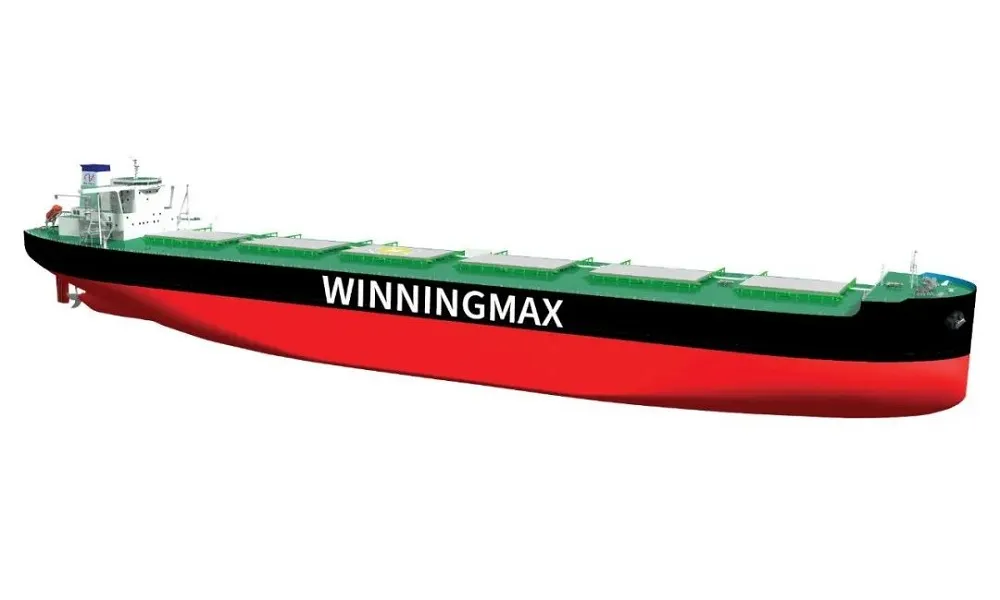
SSY noted in a market report from August that VLOCs of more than 220,000 dwt accounted for nearly half of Simandou shipments during the first half of 2026.
Related News
- LNGSuper El Niño Could Ease Asia’s LNG Supply Concerns
- LNGPakistan Faces $1 Billion LNG Bill This Winter
- LNGShell Slams Australia's Plan to Force LNG Producers to Supply Domestic Market
- LNGChina’s $3 Billion Qatar LNG Deal Raises an Awkward Question
- LNGShell, GTT, and Lloyd’s Register eye hybrid-electric LNG carrier design
- LNGNew wind for hydrogen-electric shipping as GMI-PowerCell collaboration expands to four bulk carriers