New wind for hydrogen-electric shipping as GMI-PowerCell collaboration expands to four bulk carriers
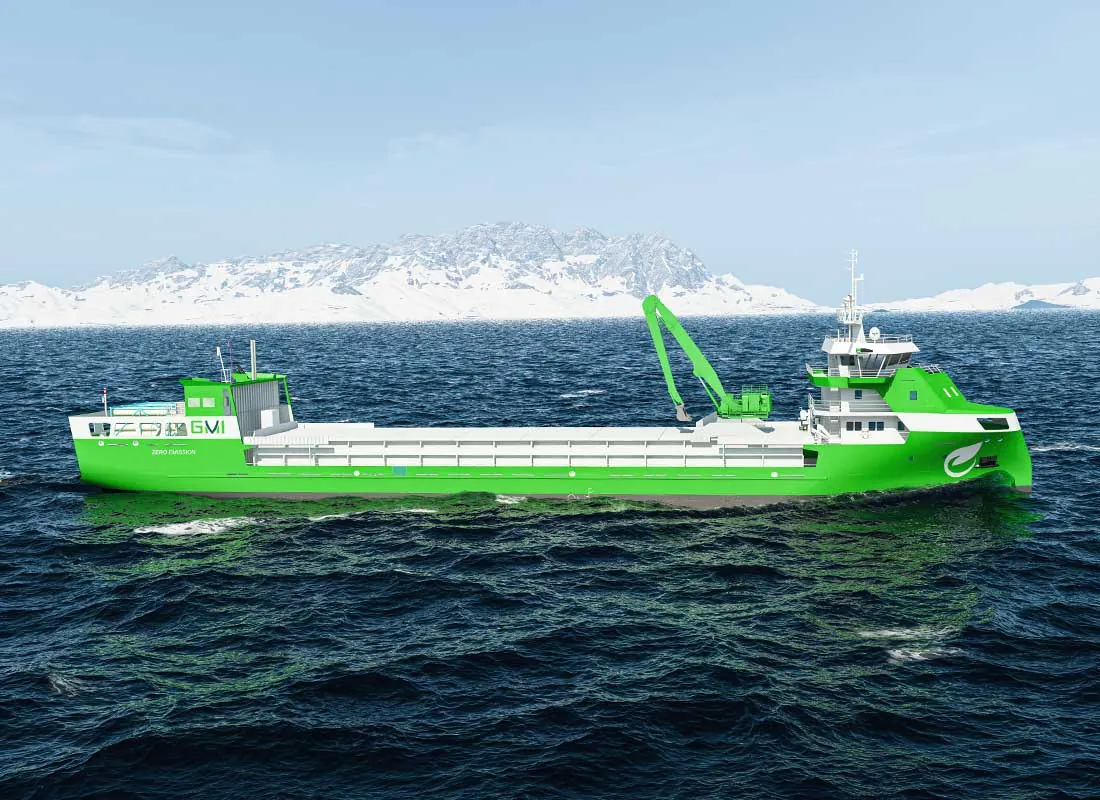
PowerCell’s new order to supply hydrogen fuel cell systems for two more GMI bulk carriers brings the total fleet order to four vessels.
PowerCell’s new order to supply hydrogen fuel cell systems for two more GMI bulk carriers brings the total fleet order to four vessels.
3 minutes read LinkedIn X Email 3,000-dwt hydrogen-powered coastal bulk carrier commissioned by Green Maritime Infrastructure (GMI) Source: eCap Marine Sweden-based high-power-density hydrogen fuel cell stacks and systems developer and manufacturer PowerCell Group has secured a follow-up order from GMI Group, a Norwegian green shipping developer focused on designing and operating zero-emission bulk carriers powered by compressed renewable hydrogen and fuel cell technology, to supply fuel cell systems for two additional hydrogen-electric bulk carriers, doubling the project’s scope from two to four vessels as zero-emission maritime technology transitions from single-ship pilots to standardized fleet deployments.
PowerCell Group has secured a follow-up order worth SEK 27 million ($2.69 million) for fuel cell systems and engineering services for two additional hydrogen-electric bulk carriers for delivery to GMI Group.
The order, which comprises 10 Marine System 225 units, providing more than 2 MW of power, with deliveries scheduled for 2027–2028, follows the first order in September 2025 and expands the collaboration from two to four vessels.
As a result, PowerCell will supply a total of 24 Marine System 225 across the four ships, representing 5.4 MW of installed fuel cell power.
GMI Group is developing a new generation of bulk carriers using compressed renewable hydrogen to generate electricity onboard through fuel cells.
Richard Berkling , CEO of PowerCell Group, commented: “Scaling from two vessels to four demonstrates the value of our business model.
We combine an industrialised fuel cell platform with application engineering and control capability that can be applied repeatedly across a fleet.
This improves delivery efficiency for the customer and expands our installed base for long-term service.” The first two vessels are 85 meters long, with a deadweight capacity of 4,000 tons, and are planned for launch in 2027.
These ships are expected to become the world’s first hydrogen-electric bulk carriers.
The two additional vessels will each have a deadweight capacity of 3,000 tons and will be built by Chowgule Shipyard, with each vessel to be equipped with five Marine System 225.
Related News
- LNGSuper El Niño Could Ease Asia’s LNG Supply Concerns
- LNGPakistan Faces $1 Billion LNG Bill This Winter
- LNGShell Slams Australia's Plan to Force LNG Producers to Supply Domestic Market
- LNGChina’s $3 Billion Qatar LNG Deal Raises an Awkward Question
- LNGShell, GTT, and Lloyd’s Register eye hybrid-electric LNG carrier design
- LNGADNOC broadens its Asian horizons with Gulf Group LNG deal