Trump’s Diesel Deal Irks Allies and Is Unlikely to Reduce Prices
President Donald Trump’s deal for Russian diesel exposed the US to legal questions, opened a rift with his Republican allies and European leaders and heightened tensions with Ukraine — all in exchange for an outcome that experts suggest is unlikely to succeed.
Essential news coupled with the finest maritime content sourced from across the globe.
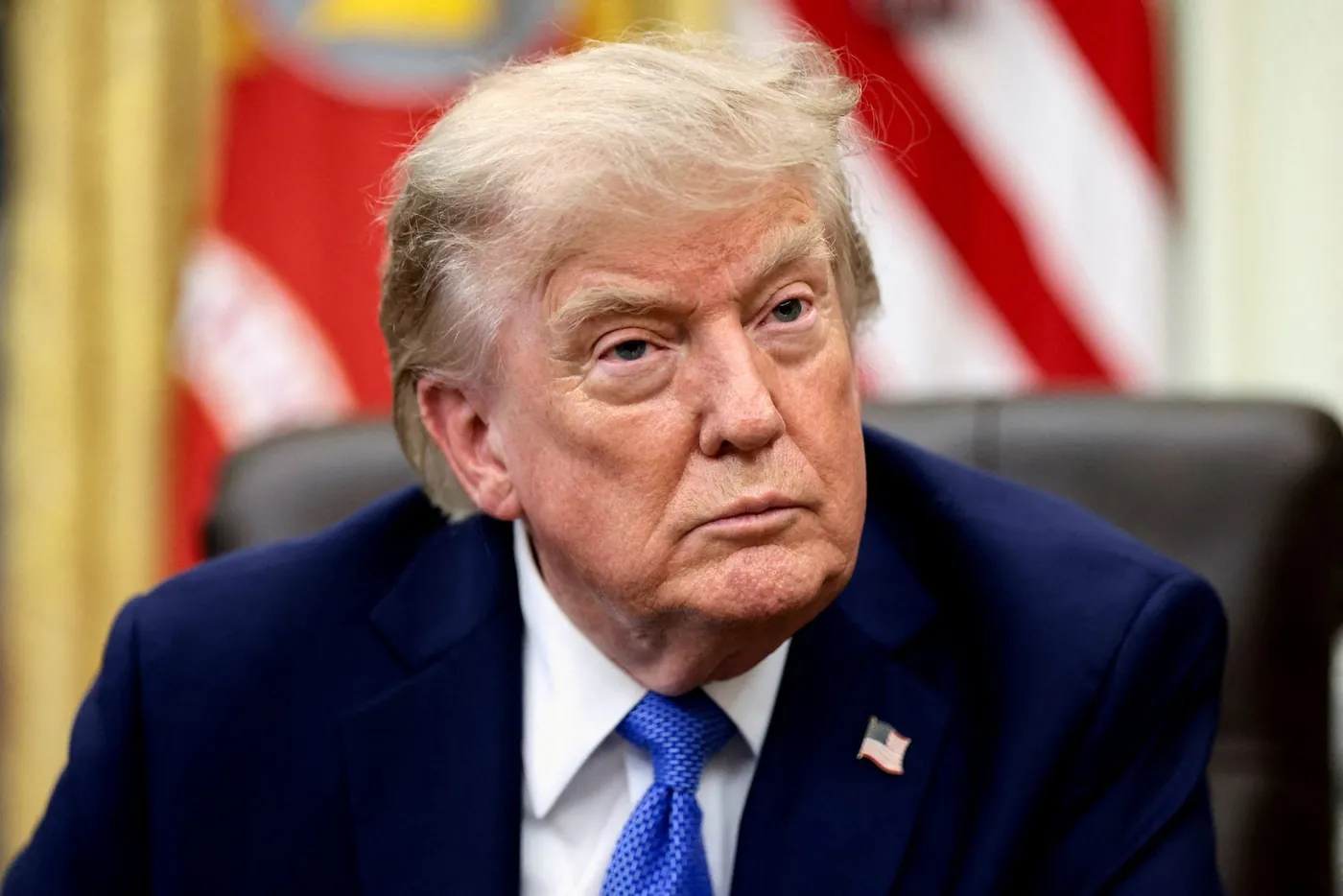
President Donald Trump attends an event to sign executive orders in the Oval Office at the White House in Washington, D.C., U.S., August 6, 2026.
REUTERS/Evelyn Hockstein/File Photo By Nick Wadhams (Bloomberg) — President Donald Trump’s deal for Russian diesel exposed the US to legal questions, opened a rift with his Republican allies and European leaders and heightened tensions with Ukraine — all in exchange for an outcome that experts suggest is unlikely to succeed.
Under the agreement — announced late last week — Russian President Vladimir Putin would begin releasing diesel supplies into global markets as part of a US effort to bring down prices from their record highs before the Nov.
Trump has also intensified demands on Ukrainian President Volodymyr Zelenskyy to stop attacking Russian refineries and announced an energy ceasefire between the two sides.
The decisions and the ceasefire are all a bet that lowering fuel prices will be the best way to win more votes next month despite the risk of a backlash from political friends and foes alike.
On Sunday, a bipartisan group of senators argued that Trump should “reverse course” on his plan to cut a diesel deal with Russia.
“The United States should not provide Putin with a financial lifeline while Russia continues to kill Ukrainian civilians,” the senators said in a statement.
The accord also provoked fresh tension with Europe, where officials warned that it would bolster Moscow’s war effort in Ukraine.
They said the US should impose more sanctions instead.
“We would call on the US to put the sanctions in place so that actually we could finish this war, so that all the effects of these attacks on refineries would not be there,” top European Union diplomat Kaja Kallas told reporters in Luxembourg on Monday before meeting with the bloc’s foreign ministers.
A 2022 law prohibits the US from buying most Russian energy products.
It’s still not clear how Trump plans to get around that, and some lawmakers, including Senator Roger Wicker, a Mississippi Republican, have already said they don’t expect the deal to go through.Play Video Trump acknowledged on Monday that neither side had actually committed to stop attacking each other’s energy infrastructure.
Because I said you agree,” Trump told reporters.
“That’s why they agreed — because I said they agreed.” Keith Kellogg, the president’s former envoy to Kyiv, dismissed Trump’s latest disagreement with Zelenskyy as “noise.” He said he didn’t expect it to escalate to anything similar to their infamous face-to-face argument in the Oval Office in February 2025.
“The rhetoric will kind of take care of itself,” Kellogg said.
Related News
- LNGSuper El Niño Could Ease Asia’s LNG Supply Concerns
- LNGPakistan Faces $1 Billion LNG Bill This Winter
- LNGShell Slams Australia's Plan to Force LNG Producers to Supply Domestic Market
- LNGChina’s $3 Billion Qatar LNG Deal Raises an Awkward Question
- LNGShell, GTT, and Lloyd’s Register eye hybrid-electric LNG carrier design
- LNGNew wind for hydrogen-electric shipping as GMI-PowerCell collaboration expands to four bulk carriers