Large ethylene plants present unique design, construction challenges
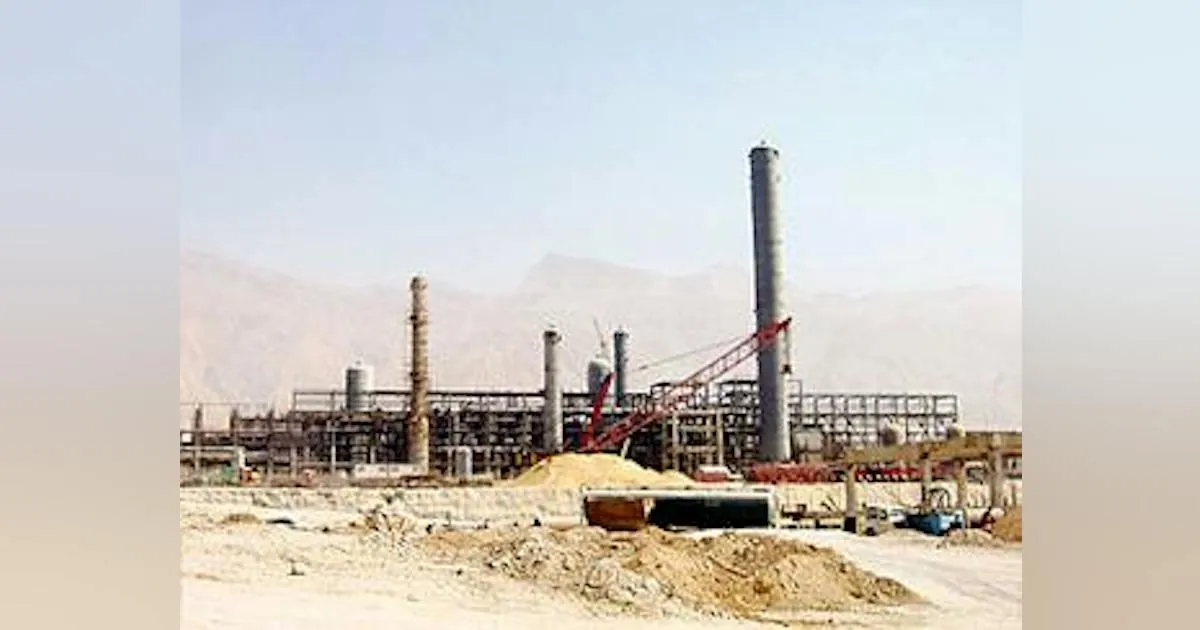
The design and manufacture of equipment in ethane crackers with more than 1 million tonnes/year (tpy) of ethylene production create many problems during engineering, procurement, construction, and ...
The design and manufacture of equipment in ethane crackers with more than 1 million tonnes/year (tpy) of ethylene production create many problems during engineering, procurement, construction, and start-up.
Current technology constraints due to the exclusive use of centrifugal compressors limit ethane cracker capacity to 1.4 million tpy of ethylene in a single compression line.
Other considerations, however—such as suitable location, feedstock availability, downstream unit reliability, turndown ratio requirements, consequences of furnace and plant outages—will take precedence over the design and construction problems when investors determine the capacity of new plants.
As with other baseload plants (LNG, gas-to-liquids, ammonia, methanol, and methane-to-olefins), the race for larger single-train plants will not stop due to these considerations.
Technip Group is already working on the design and procurement possibilities of the first 2 million-tpy ethane cracker, single-compression line, using proven centrifugal machines and new furnaces.
This article covers the design considerations of the 1 million tpy and larger, "mega" ethane crackers.
The data and subsequent interpretation in this article are based on actual, in-house projects of 1.0 million tpy (Pars Petrochemical Co.), 1.3 million tpy (confidential), and 1.4 million tpy (Jam Petrochemical Co.) at various stages of progress.
The capacity and throughput of steam crackers are continuously growing due to the ever-increasing world demand for polymers (polyethylene and polypropylene in particular) and other olefin-based derivatives.
Basic olefins like ethylene and propylene are now considered commodities.
Similar to electricity or cooling water, basic olefins must be produced at the lowest cost, continuously, and reliably to feed the now-integrated downstream units, which are the real profit centers.
The fact that the ethylene specification from steam crackers has changed very little over the past 35 years reinforces the commodity concept.
The worldwide purity specification is set at 99.9+%, and ethylene's derivative products have evolved drastically into more-sophisticated formulas.
Most grades of polyethylene did not even exist 20 years ago.
During the past 40 years, the capacity of a typical single-train steam cracker has increased tenfold, to 1-1.4 million tpy in 2000 (e.g., Jam Petrochemical's plant in Assaluyeh, Iran) from 100,000-140,000 tpy in the early 1960s.
In terms of return on investment, one must consider an integrated complex that consists of a steam cracker, polyolefins units, and often other derivatives, with supporting facilities.
The budget for a 1-million-tpy grassroots olefins complex is much more than $1 billion.
Related News
- PetrochemicalGlobal Petrochemicals Capacity and Capital Expenditure Outlook Report 2025-2030: Asia to Lead Petrochemical Growth with $291 Billion Investments
- PetrochemicalEpisode 20: Invisible Resin Protecting Exposed Chips at Sumitomo Bakelite's Utsunomiya Plant | Keihin-Keiyo Petrochemical Hub Stories
- PetrochemicalPemex raises Mexico petrochemical plant death toll to 28
- PetrochemicalIran prepares to import electricity from Turkey for petrochemical plants
- PetrochemicalUkraine Strikes Petrochemical Plant Deep Inside Russia As Battle For Pokrovsk Rages
- PetrochemicalCM to open Rs 6K-cr phenol-acetone plant in Haldia today