Kumho Petrochemical pivots to R&D, expands green materials and battery push
Kumho Petrochemical pivots to R&D, expands green materials and battery push KKPC reshapes portfolio with EV tire rubbers, CO2 capture, and next-gen battery tie-ups ...
Industry Kumho Petrochemical accelerates R&D, expands green materials amid downturn R&D pivot drives capacity gains and cleaner tech as kkpc reshapes for future growth 조선비즈 구글 검색 먼저 보기 Kumho Petrochemical (KKPC) is accelerating a shift toward research and development (R&D) to cope with slowing demand and oversupply in the global petrochemical industry.
The strategy is to boost profitability by focusing on high value-added and eco-friendly materials rather than commoditized products, where competition has intensified due to large-scale capacity additions by Chinese companies.
Expanding production capacity for synthetic rubber for electric-vehicle tires (SSBR) and specialty synthetic rubber (EPDM) by a total of 105,000 tons, and building a carbon dioxide capture facility, are representative moves.
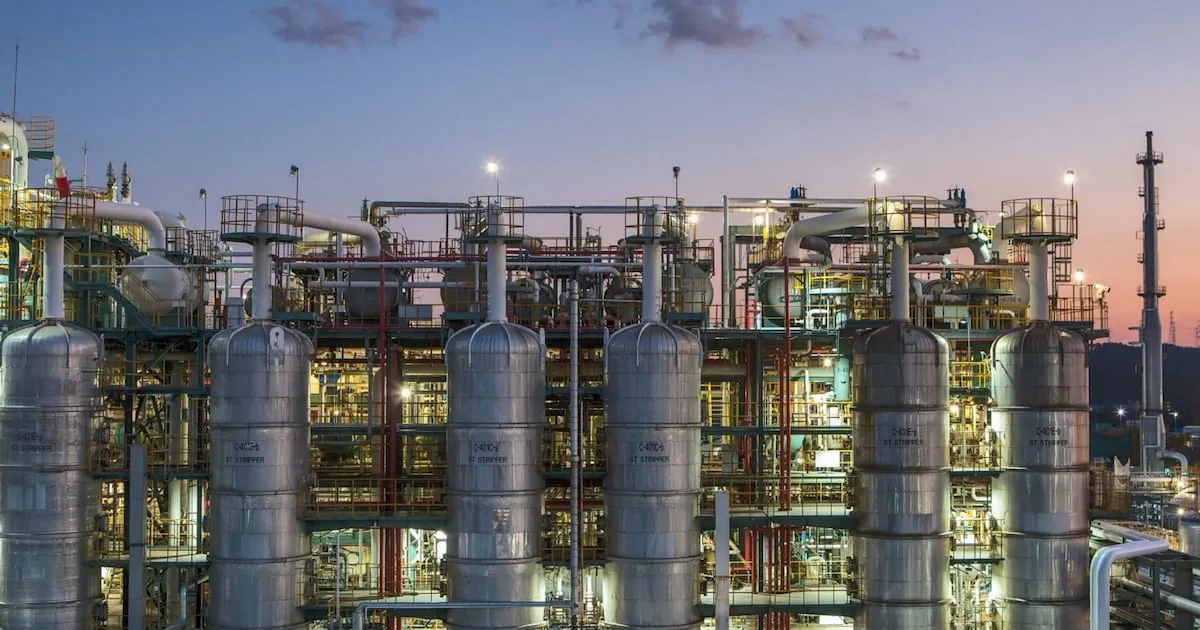
Night view of the Kumho Petrochemical Ulsan Rubber Plant.
/Courtesy of Kumho Petrochemical On the 14th, according to Kumho Petrochemical (KKPC), Kumho Petrochemical increased production capacity for high-performance synthetic rubber (SSBR) for electric-vehicle tires by 35,000 tons last year and began commercial operation.
It also installed facilities capable of capturing 76,000 tons of carbon dioxide annually.
With this, the company expects to develop materials that use plastics recovered from discarded home appliances for automotive interior parts and reduce carbon emissions by about 16%.
Kumho Petrochemical is also expanding its business beyond conventional petrochemical materials into next-generation batteries.
It is participating with POSCO FUTURE M and BEI in developing next-generation anode-free lithium metal batteries.
The move aims to bolster competitiveness in its core businesses while securing new growth engines in future mobility.
Affiliate Kumho P&B Chemicals is developing eco-friendly adhesive and coating materials that reduce emissions of pollutants.
In particular, it is focusing on technologies that cut carbon emissions by using feedstocks sourced from plants instead of petroleum.
The plan is to replace materials used in construction, shipbuilding, and electronics with eco-friendly products to meet market demand.
Kumho Mitsui Chemicals plans to expand annual MDI production capacity, a polyurethane feedstock, to 710,000 tons by the end of this year.
It is also pushing ahead with the development of bio-based polyurethane, lightweight materials for electric-vehicle seats, and high-performance sound-absorbing materials.
Kumho Polychem expanded its specialty synthetic rubber (EPDM) production facilities by 70,000 tons, establishing an annual production system of 310,000 tons.
By applying ultra-low-temperature polymerization technology and waste-heat recovery systems, it improved production efficiency and reduced energy consumption.
Related News
- PetrochemicalGlobal Petrochemicals Capacity and Capital Expenditure Outlook Report 2025-2030: Asia to Lead Petrochemical Growth with $291 Billion Investments
- PetrochemicalEpisode 20: Invisible Resin Protecting Exposed Chips at Sumitomo Bakelite's Utsunomiya Plant | Keihin-Keiyo Petrochemical Hub Stories
- PetrochemicalPemex raises Mexico petrochemical plant death toll to 28
- PetrochemicalIran prepares to import electricity from Turkey for petrochemical plants
- PetrochemicalUkraine Strikes Petrochemical Plant Deep Inside Russia As Battle For Pokrovsk Rages
- PetrochemicalCM to open Rs 6K-cr phenol-acetone plant in Haldia today