How electrification is changing mining
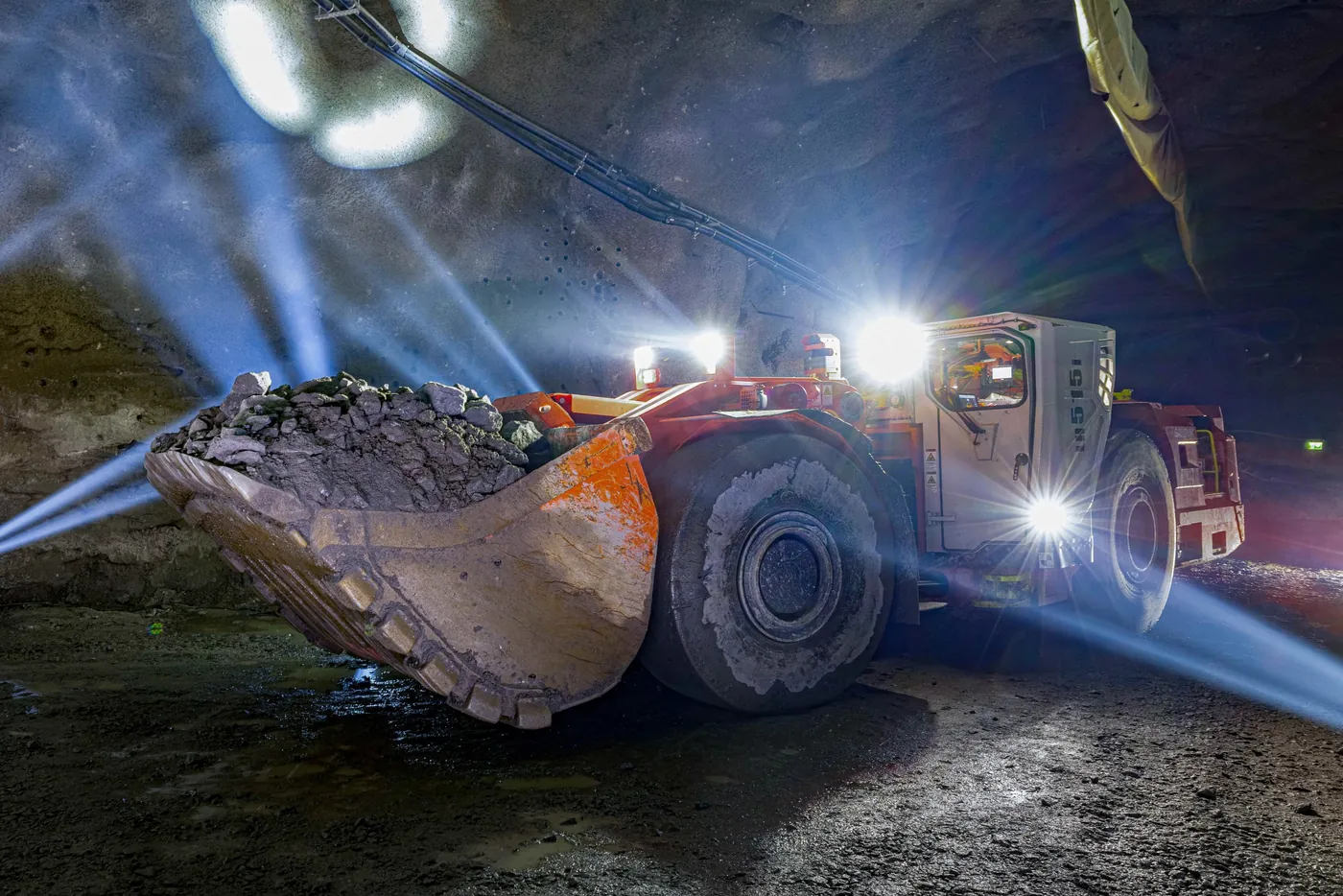
“Electrification is going to be one of the biggest technology shifts we’ve seen in the mining industry,” says Henrik Ager.
As President of mining equipment manufacturer Sandvik Mining and Rock ...
Sign In Sign In Subscribe now Subscribe now Manage your subscription Check your subscription status, update your details and more.
Facebook Threads X / Twitter WhatsApp LinkedIn Reddit Email Print The mining revolution is electric Jari Kivelä “Electrification is going to be one of the biggest technology shifts we’ve seen in the mining industry,” says Henrik Ager.
As President of mining equipment manufacturer Sandvik Mining and Rock Solutions, part of the Sandvik engineering group, Ager has a better view of the mining industry than most.
It’s also why his company is spearheading this electric revolution.
For the past 70 years or so, mining has relied on diesel-powered machinery, which tends to be hot and noisy, while generating particulate emissions.
But the future looks very different, says Ager.
Sandvik is developing a new generation of machinery and equipment that is powered by electricity.
The technology is already beginning to offer a cleaner, cooler and more efficient alternative to diesel-powered mining.
The machinery used in mining has significant knock-on impacts.
For example, diesel-powered machinery tends to generate pollutants and heat.
This requires significant ventilation to be built into any infrastructure.
Then there is the noise from internal combustion engines.
For a start, electric machines do not emit tail-pipe pollutants.
“And they generate about 87 per cent less heat,” says Elina Pyykkö, Vice President of Product Development and Product Management in Sandvik Mining and Rock Solutions’ Underground Drilling Division.
“Given that underground mines are already quite hot as they are sometimes as much as 1000 meters below ground, it is a huge benefit to remove the additional heat rendered from combustion engines,” she says.
“There are significant health and safety benefits for people working in mines,” says Ager.
But perhaps the biggest incentive for mining companies will be the economics, which are rapidly changing (See Electric Economics below).
“For the moment, the upfront costs to develop electric machinery are higher than those associated with diesel equipment”, says Ager.
“But electric engines are simpler than internal combustion engines and so are cheaper to maintain and run”, he adds.
Energy for electrified equipment costs less than diesel fuel, and without the diesel particulate emissions, there is less need for ventilation and cooling, which is a significant cost.
Once these savings are factored in, electric equipment comes out as the cheaper option.
“There’s a very strong business case already,” says Ager.
Transforming an industry is not without its challenges.
Battery-operated machines have to be adapted for the harsh environments they will experience underground.
“We’re putting electric equipment into an environment that is hot and humid,” says Ager.
That’s not an ideal combination for anything electric.
Engineers began by removing diesel engines and fuel tanks from existing machinery and replacing them with batteries but the development is now taking a more holistic approach.
“Today, the entire machine is built around batteries and electric motors, making a much more efficient machine,” says Pyykkö.
That allows engineers to rethink the entire machine.
For example, the batteries that power electric equipment generally need recharging more often than diesel engines need refuelling, and this takes time.
To get around this, the team at Sandvik have developed machines with batteries that can be easily swapped.
When one battery runs out, the machine simply drops it and picks up a fully charged one.
The used battery is then recharged while the machine continues to operate.
Related News
- MiningIndia's 97 GW Coal Expansion Plan Looks Too Small, Senior Official Says
- MiningExplosives: The overlooked risk that could halt mines
- MiningOp-Ed: AI will not just add copper demand. It could change who sets the price
- MiningSouth America’s copper boom faces a $170B reality check
- MiningHertha Metals breaks ground on $100M US plant for magnet-grade iron
- MiningEnergyX inks 10-year, $2B lithium offtake deal with Trafigura