Op-Ed: AI will not just add copper demand. It could change who sets the price
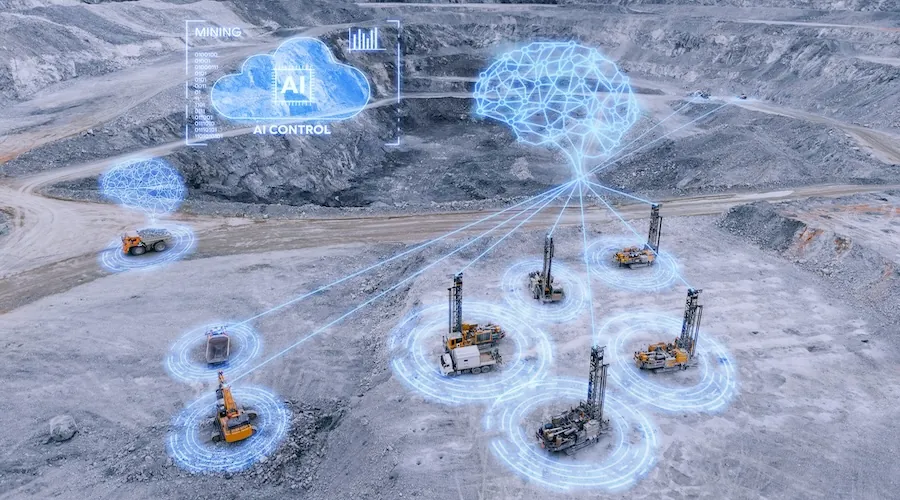
AI is not only creating new buyers in the copper market and boosting demand.
Most discussions of artificial intelligence (AI) and copper focus on how many more tonnes of copper data centers will need.
It is the right place to start, but it misses what may be the more consequential change.
AI is bringing into the copper market a new class of buyer with an unusually high willingness to pay.
As these buyers account for a growing share of incremental demand in a supply-constrained market, they could increasingly influence copper prices, reshaping who consumes the metal, how it is used and how the market evolves.
Despite its digital nature, AI rests on a substantial physical foundation that includes data centers, transformers, substations, cooling systems, new electricity generation and transmission lines.
The International Energy Agency projects that global data center electricity consumption will rise from about 415 TWh in 2024 to around 945 TWh by 2030, more than doubling in six years.
Industry estimates suggest that data centers may require roughly 30 tonnes of copper per megawatt of installed capacity, depending on design and the infrastructure included, before accounting for the wider electricity networks needed to power them.
It coincides with electrification, the energy transition and a geopolitical push to rebuild domestic manufacturing, diversify supply chains and expand military capacity.
These trends have different motivations, but all require large investments in physical assets before their economic benefits materialize.
Together, they point to an unusually material-intensive phase of global investment.
Related News
- MiningIndia's 97 GW Coal Expansion Plan Looks Too Small, Senior Official Says
- MiningExplosives: The overlooked risk that could halt mines
- MiningSouth America’s copper boom faces a $170B reality check
- MiningHertha Metals breaks ground on $100M US plant for magnet-grade iron
- MiningEnergyX inks 10-year, $2B lithium offtake deal with Trafigura
- MiningWomen hold just 12% of top mining jobs in Australia: report