Europe's petrochemical industry is unraveling: 'Like being on the Titanic'
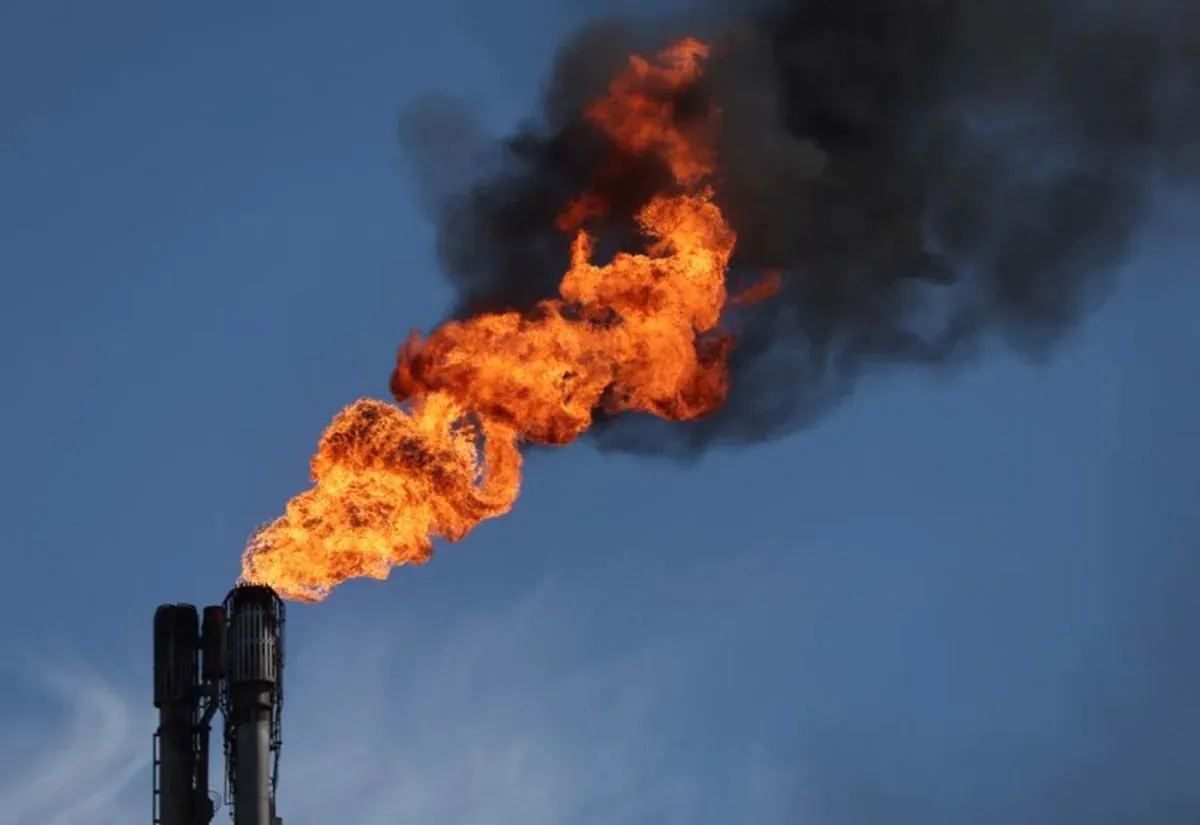
MILAN/NEW DELHI/HOUSTON (Reuters) — Europe's petrochemical industry is unravelling under a wave of plant closures after years of losses and a rapid expansion of global capacity led by China.
Skip to navigation Skip to main content Skip to right column Yahoo Finance Sign in U.S.
markets open in 2h 20m US Markets US Markets Europe Markets Asia Markets Cryptocurrencies Rates Commodities Currencies U.S.
markets open in 2h 20m S&P Futures 7,866.50 +10.75 +0.14% Dow Futures 52,079.00 +144.00 +0.28% Nasdaq Futures 30,742.00 -49.50 -0.16% Russell 2000 Futures 2,806.30 +6.20 +0.22% 10-Yr Bond 5.22 -0.02 -0.44% VIX 15.33 +0.06 +0.39% Gold 4,164.10 -13.20 -0.32% Bitcoin USD 83,310.32 +60.25 +0.07% Crude Oil Nov 26 95.48 +1.34 +1.42% US Private Equity 10,967.34 -1.52 -0.01% ADVERTISEMENT Europe's petrochemical industry is unraveling: 'Like being on the Titanic' Francesca Landini Updated July 21, 2025 5 min read MILAN/NEW DELHI/HOUSTON (Reuters) — Europe's petrochemical industry is unravelling under a wave of plant closures after years of losses and a rapid expansion of global capacity led by China.
High production costs and ageing plants have left European producers struggling, making the region increasingly dependent on imports of primary chemicals such as ethylene and propylene, the building blocks for plastics, pharmaceuticals and countless industrial goods.
"While the rest of the world is building over 20 new crackers, Europe is sleepwalking into industrial decline," Jim Ratcliffe, founder of INEOS said during a recent event, referring to a unit in petrochemical plants.
The billionaire made his money buying up petrochemical plants from BP ( BP ) and others, and along with other industry leaders has criticised a lack of political action.
The European Commission responded this month with a pledge to support domestic production of chemicals deemed strategic for its industries, such as ethylene and propylene.
It plans to expand state aid to modernise plants and require public tenders give preference to goods made in Europe - similar to the EU's 2023 legislation for metals and minerals.
"It's like being on the Titanic — you can't stay in denial.
You must go and find a lifeboat," said Giuseppe Ricci, head of industrial transformation at Italian energy group Eni ( E ).
Eni's chemical business Versalis accumulated over 3 billion euros ($3.5 billion) in losses in the last five years, Ricci said, as the firm shuts down Italy's last two steam crackers and invests 2 billion euros in bio-refineries and chemical recycling.
Other global groups Dow ( DOW ), ExxonMobil ( XOM ), TotalEnergies ( TTE ), and Shell ( SHEL , SHEL.L ) are also closing or reviewing their European chemical assets.
Most of the planned closures target crackers - a unit that turns hydrocarbons into ethylene, propylene or other primary chemical materials.
A document issued by eight EU countries on petrochemicals in March said that 50,000 jobs could be at risk due to potential closures of more crackers in Europe by 2035.
The EU's plants are mainly small and mid-sized and have been running at an average utilisation rate below 80% - a level considered uneconomical.
Up to 40% of the EU's ethylene capacity — which totals 24.5 million metric tons — is at high or medium risk of closure, including shutdowns announced since late 2024, according to consultancy Wood Mackenzie.
"The proportion of European crackers at risk is much higher than in other regions," said Robert Gilfillan, head of plastics and recycling markets at Wood Mackenzie.
While older European plants use naphtha as a raw material, the United States and the Middle East use cheaper feedstocks like ethane — a by-product of shale gas.
North America's ethylene capacity will grow to 58 million metric tons by 2030 from 54 million currently, according to consulting firm ADI Analytics.
China, meanwhile, will add 6.5% to its ethylene capacity every year between 2025 and 2030, when it will produce nearly 87 million metric tons of ethylene annually, China National Chemical Information Centre CEO Huang Yinguo said in May.
Chinese producers are also building outposts in Southeast Asia to export to Europe and North America to bypass carbon taxes and Western tariffs on China-made goods.
Japanese and South Korean firms, unable to compete, have kept utilization rates low since 2023, the countries' petrochemical industry bodies said in reports in May.
European policymakers now face a stark choice: Intervene decisively or watch the continent's chemical backbone erode.
Related News
- PetrochemicalGlobal Petrochemicals Capacity and Capital Expenditure Outlook Report 2025-2030: Asia to Lead Petrochemical Growth with $291 Billion Investments
- PetrochemicalEpisode 20: Invisible Resin Protecting Exposed Chips at Sumitomo Bakelite's Utsunomiya Plant | Keihin-Keiyo Petrochemical Hub Stories
- PetrochemicalPemex raises Mexico petrochemical plant death toll to 28
- PetrochemicalIran prepares to import electricity from Turkey for petrochemical plants
- PetrochemicalUkraine Strikes Petrochemical Plant Deep Inside Russia As Battle For Pokrovsk Rages
- PetrochemicalCM to open Rs 6K-cr phenol-acetone plant in Haldia today