Arrow Starts First Carbonera Horizontal Well in Colombia
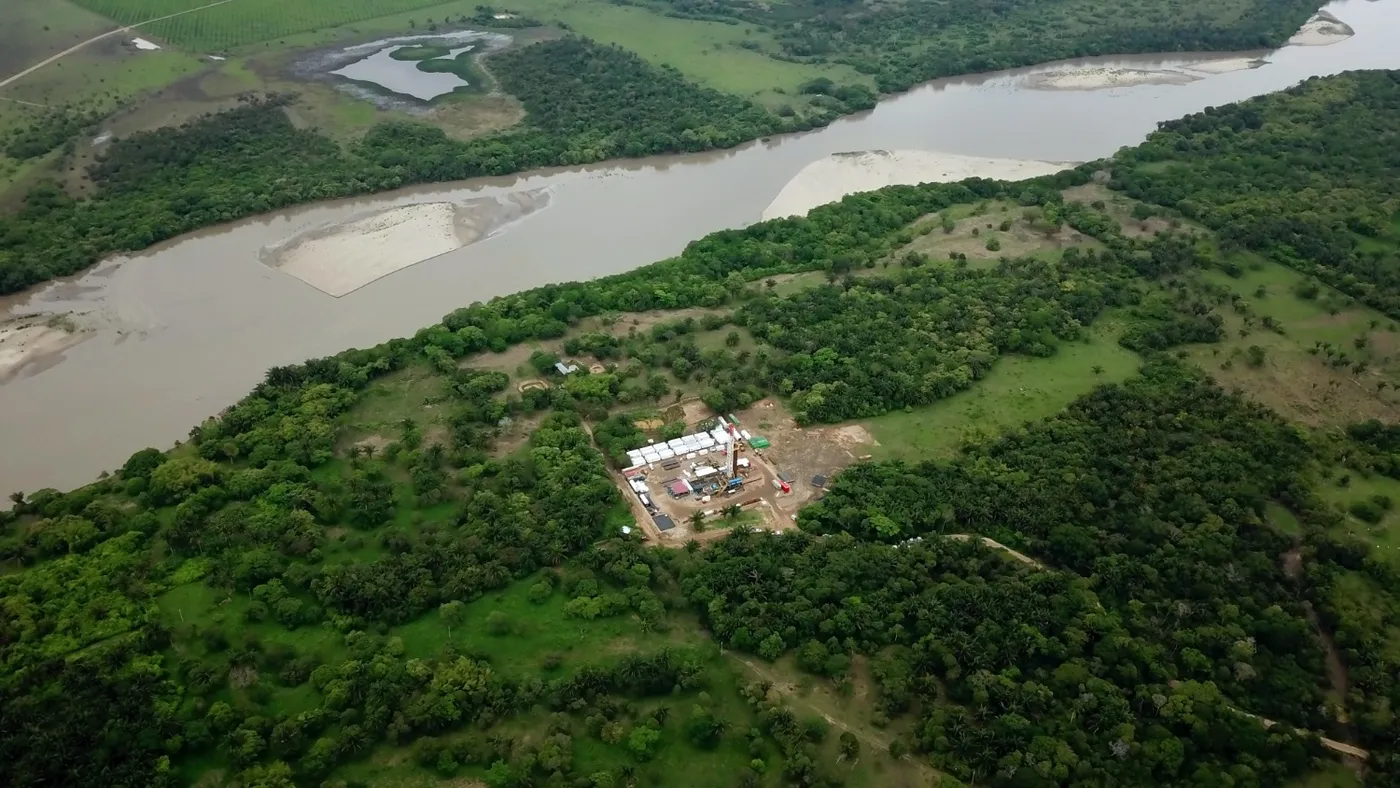
Colombian independent producer Arrow Exploration has reached a milestone at its Tapir Block operations in the Llanos Basin, bringing the first horizontal well ever drilled into the Carbonera formation there through the drilling phase as two new producers push company output to a record above 6,500 barrels of oil equivalent per day.
The horizontal well, designated IC-HZ9, was spudded on 13 October and finished drilling on 20 October.
Targeting the Carbonera C7 sand, it has already measured roughly 950 feet of horizontal oil-bearing section, a first test of whether lateral development can add further value across the block, where Arrow holds a 50 percent beneficial interest.
Two conventional completions came onstream ahead of it and explain most of the production gain.
The IC-8 sidetrack was spudded on 21 September and reached total depth on 3 October at 11,000 feet measured depth, or 7,384 feet true vertical depth, encountering net pay in the Carbonera C7, Guadalupe, Lower Gacheta and Ubaque formations, including 23 feet TVD in the C7 and 30 feet TVD in the Ubaque.
Producing from the C7 since 12 October through a 27/128 choke, IC-8 has flowed about 1,204 barrels of oil per day gross, or 602 bopd net to Arrow, of 28.2 degree API crude carrying a 33 percent water cut, and the well is still cleaning up.
IC-7 was spudded on 1 September and reached total depth on 7 September at 13,000 feet measured depth with 7,347 feet true vertical depth, finding 15 feet TVD of net C7 pay and 57 feet TVD in the Ubaque.
Since 20 September it has produced from the Ubaque at a restricted rate of about 248 bopd gross, 124 bopd net, through a 20/128 choke, with 13.2 degree API oil and a 31 percent water cut.
For equipment suppliers and well-service contractors, the results from these Llanos Basin wells carry several practical signals worth acting on.
The contrast between light 28.2 degree API crude from the C7 and the heavier 13.2 degree API Ubaque stream points to varied handling requirements for separation, storage and treating equipment, because blended production of differing gravities and water cuts asks more of produced-fluid design than a single consistent stream.
Water cuts in the low thirties across both producers also suggest that separators, dump valves and produced-water capacity will stay in demand as Icaco matures, an area where local service availability directly affects downtime.
The step out to a 950-foot lateral in the C7 matters too, since successful horizontal development typically pulls through incremental demand for artificial lift, sand control and flowline hardware per well compared with vertical completions.
Procurement teams tracking the block should watch the drilling calendar into 2027, because further horizontal wells would be the logical follow-up if IC-HZ9 validates its productivity, and a corporate record above 6,500 boed tends to support continued investment in surface facilities where each new producer ties back into existing gathering infrastructure.
Related News
- Oil & GasBaker Hughes agrees power framework: what it means for Baker Hughes stock
- Oil & GasHow Power Island Deal Will Impact Baker Hughes (BKR) Investors
- Oil & GasBaker Hughes (BKR) Signed Long Term Energy Infrastructure Agreements
- Oil & GasHalliburton (HAL) Stock May Still Offer Value Following Q3 Earnings Reset
- Oil & GasEXCLUSIVE: ADNOC Eyes Stronger Partnership with Japan
- Oil & GasBaker Hughes stock: Stifel keeps a USD 75.00 target for Baker Hughes stock