How Power Island Deal Will Impact Baker Hughes (BKR) Investors
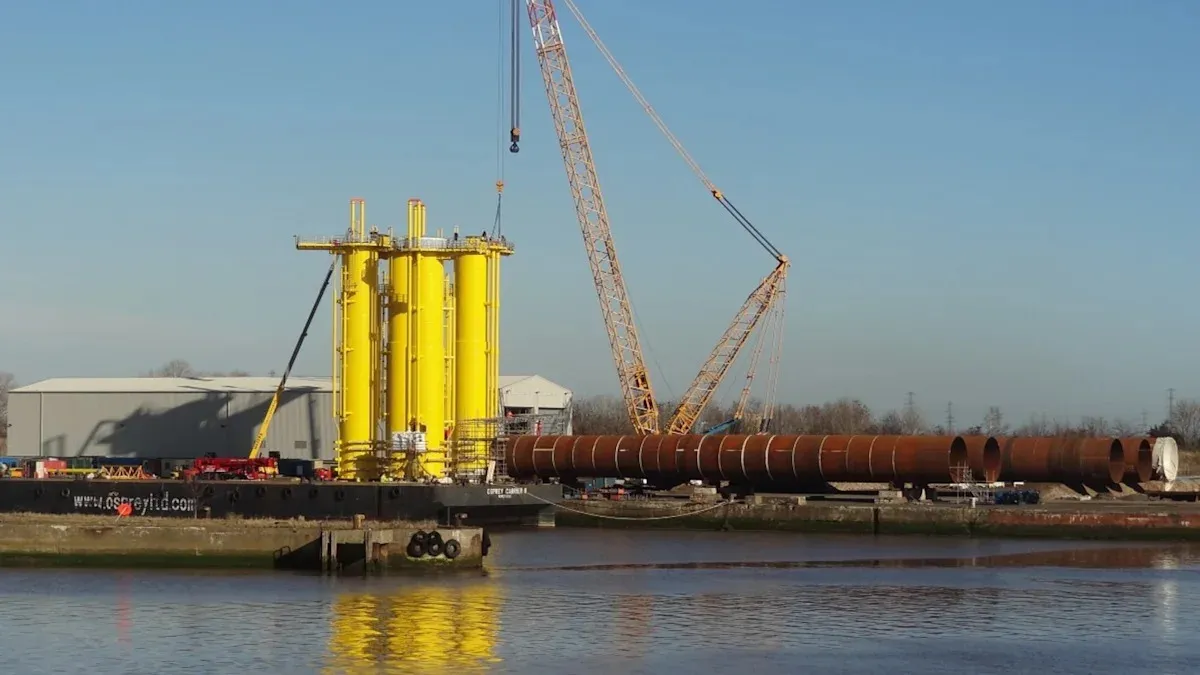
Baker Hughes disclosed a new Power Frame Agreement with Venture Global and GE Vernova to supply gas and steam turbines, controls and electrical systems for up to 16 behind the meter power islands ...
Skip to navigation Skip to main content Skip to right column Yahoo Finance Sign in U.S.
markets closed US Markets US Markets Europe Markets Asia Markets Cryptocurrencies Rates Commodities Currencies U.S.
markets closed S&P 500 7,659.44 -84.62 -1.09% Dow 30 52,002.41 -175.28 -0.34% Nasdaq 26,140.03 -572.99 -2.14% Russell 2000 2,721.37 -45.90 -1.66% 10-Yr Bond 5.10 +0.01 +0.18% VIX 19.99 +3.53 +21.45% Gold 4,181.10 +11.00 +0.26% Bitcoin USD 81,509.70 -602.26 -0.73% Crude Oil Nov 26 99.02 +2.52 +2.61% US Private Equity 10,904.58 -37.71 -0.34% ADVERTISEMENT How Power Island Deal Will Impact Baker Hughes (BKR) Investors Sasha Jovanovic Fri, October 16, 2026 at 10:16 PM PDT 5 min read BKR +2.39% VG +1.76% GEV -0.57% Baker Hughes disclosed a new Power Frame Agreement with Venture Global and GE Vernova to supply gas and steam turbines, controls and electrical systems for up to 16 behind the meter power islands supporting US LNG production and potential data center projects, with deliveries scheduled between 2028 and 2034.
The framework points to Baker Hughes leaning further into long lead, infrastructure linked equipment and services that can extend revenue visibility across LNG and data center adjacent power demand.
We will now explore how Baker Hughes' investment narrative could shift as this long dated power island agreement feeds into infrastructure exposure.
Scan Baker Hughes alongside other energy and infrastructure players that could be setting up for their next move with our curated 41 power grid technology and infrastructure stocks To own Baker Hughes, you need to believe the pivot toward infrastructure linked energy technology, LNG and power solutions keeps gaining traction and is executed cleanly.
The new Power Frame Agreement fits this story by adding potential long dated orders for gas and steam turbines tied to LNG and data center demand.
It supports backlog depth more than near term earnings.
The key near term swing factor remains integration of Chart Industries and delivery of the targeted EBITDA margin path and cost synergies.
The biggest risk is that Chart related margins, free cash flow conversion and leverage improvement lag, in which case this power island framework would be helpful context but not a decisive offset.
The most relevant recent announcement is Baker Hughes' strategic alliance with PDVSA, Lindsayca and Fulcrum LNG to expand natural gas infrastructure in Venezuela.
This cooperation sits in the same broad theme as the US power island deal, which is building exposure to LNG related infrastructure where equipment, services and lifecycle support can run for years.
For you as a shareholder, that means more of the thesis rests on disciplined project selection, sanctions compliant execution and converting large framework agreements into profitable, on schedule contracts.
Analyst commentary around data center power and LNG strength is secondary to whether these alliances translate into durable margins, cash generation and a healthier balance sheet.
Baker Hughes' current analyst playbook leans on some clear numbers.
Consensus assumes revenue expands at 8.8% a year, taking the top line to US$35.7b and earnings to US$3.7b by 2029.
That implies current earnings of US$3.1b would need to climb about US$0.6b over that stretch.
Uncover why Baker Hughes' fair value indicates a 30% potential upside to its current price that could close more quickly than many investors expect.
One alternate view leans heavily on the risk that Baker Hughes is already running hot on LNG projects and data center power orders.
Under that lens, the most cautious analysts were only penciling in revenue of about US$34.8b and earnings near US$3.5b by 2029.
The new Power Frame Agreement might persuade some of those skeptics to revisit their numbers, or it might reinforce worries about concentration.
You are not short of opinions here, so treat this as an invitation to compare several forecasts and decide which narrative you find most convincing.
Related News
- Oil & GasUkraine Defies Trump With Renewed Attacks on Russian Oil Infrastructure
- Oil & GasIran War Set To Push PetroChina’s Trading Profit to Record $3 Billion
- Oil & GasDeadly Airstrikes Expose Growing Battle Over Sudan’s Gold
- Oil & GasTrump's Oil Price Strategy Faces Two Major Tests This Weekend
- Oil & GasData Centers Drive Surge in India’s Renewable Power Demand
- Oil & GasEquinor employs 2009-built Odfjell Drilling rig for additional wells