When conditions become marginal, who makes the call?
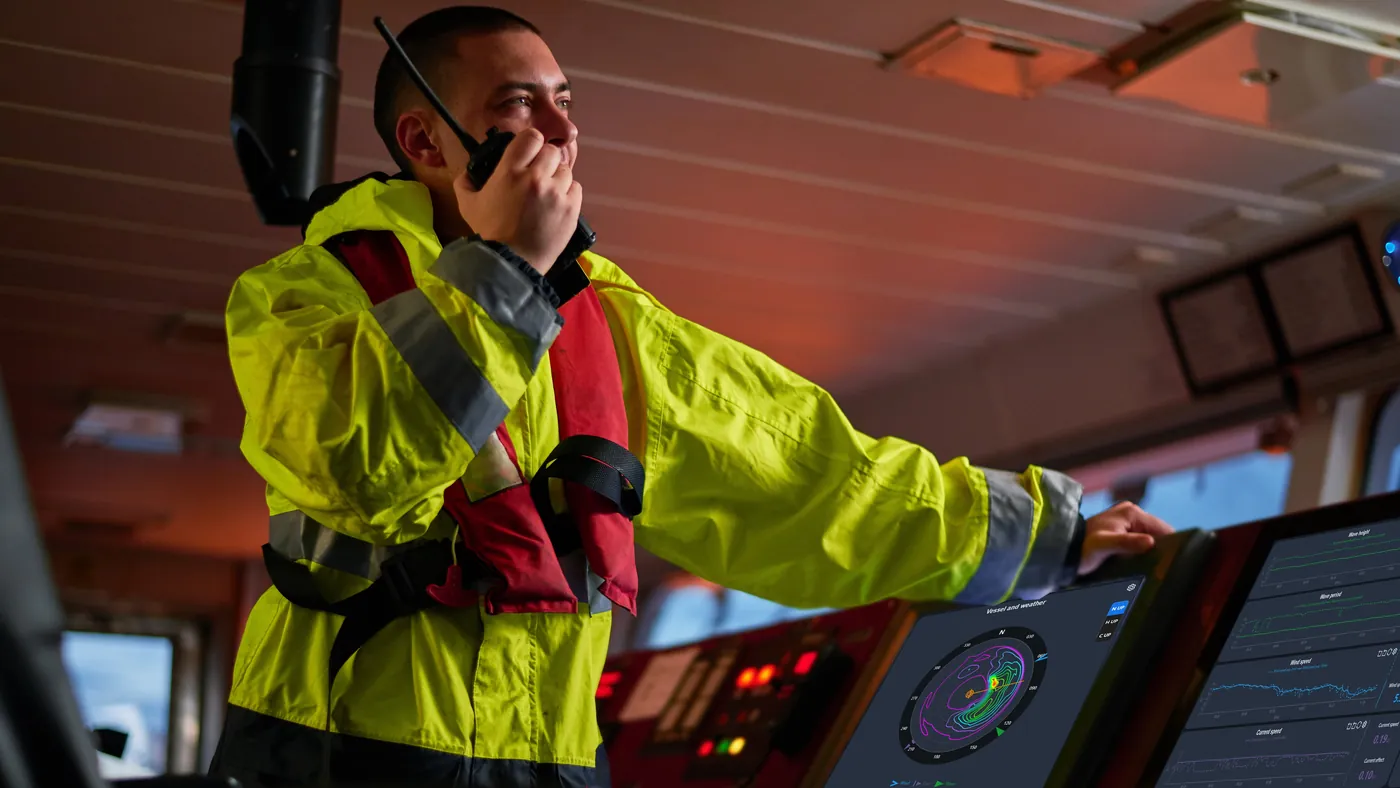
Who can stop the operation, who can approve its continuation, and who carries overriding responsibility for vessel safety?
Who can stop the operation, who can approve its continuation, and who carries overriding responsibility for vessel safety?
4 minutes read LinkedIn X Email Clear authority is required to pause an operation, and that authority needs to be respected before conditions become marginal.
Source: Adobe Stock/Miros Author: Lars Ivar Leivestad, Commercial Manager at Miros Nobody really wants to be the person who stops the job.
That's the uncomfortable truth behind every marginal sea state conversation offshore.
The marine coordinator aligns the different operational inputs.
And somewhere onshore, a project team is watching the cost.
Different perspectives; different priorities.
In theory, the authority is defined, and safety always wins.
In practice, marginal conditions can blur the line between who may stop the operation and who recommends proceeding.
While the captain retains overriding authority for vessel safety, different crew members may each have responsibility to stop an operation within their area.
Problems arise when these roles, limits, and escalation paths are not clearly understood before pressure builds.
The captain’s overriding authority for the safety of the vessel, crew, and environment is not in question.
But complex offshore work involves more than one operational authority.
Crane operators, lifting supervisors, dynamic positioning (DP) operators, client representatives, and crew members may each hold defined responsibilities, including the right and duty to stop unsafe work.
The real question is whether those responsibilities, limits, and escalation paths remain clear when conditions become marginal and schedule pressure rises.
Who can stop the operation, who can approve its continuation, and who carries overriding responsibility for vessel safety?
4 minutes read LinkedIn X Email Clear authority is required to pause an operation, and that authority needs to be respected before conditions become marginal.
Source: Adobe Stock/Miros Author: Lars Ivar Leivestad, Commercial Manager at Miros Nobody really wants to be the person who stops the job.
That's the uncomfortable truth behind every marginal sea state conversation offshore.
The marine coordinator aligns the different operational inputs.
And somewhere onshore, a project team is watching the cost.
Different perspectives; different priorities.
In theory, the authority is defined, and safety always wins.
In practice, marginal conditions can blur the line between who may stop the operation and who recommends proceeding.
While the captain retains overriding authority for vessel safety, different crew members may each have responsibility to stop an operation within their area.
Problems arise when these roles, limits, and escalation paths are not clearly understood before pressure builds.
The captain’s overriding authority for the safety of the vessel, crew, and environment is not in question.
Related News
- Oil & GasNew England natural gas prices have been trading near record discounts to Henry Hub
- Oil & GasWeekly average load in ERCOT continues near record high
- Oil & GasDangote Swings to $4.7 Billion Profit Ahead of Africa’s Biggest IPO
- Oil & GasWhy Diesel Prices Are So Much Higher Than Gasoline
- Oil & GasSaudi Arabia Becomes the Oil Market’s Biggest Wild Card
- Oil & GasTrump Defends Russian Diesel Deal as Energy Ceasefire Claims Unravel