Saudi Arabia Plans Massive Expansion of Oil Pipeline to Bypass Hormuz
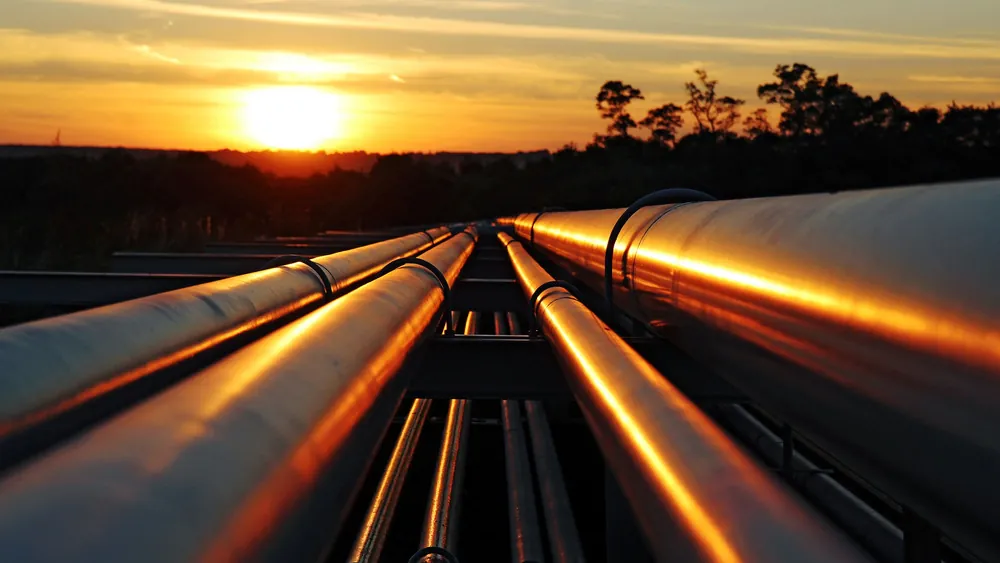
Saudi Arabia plans to raise the capacity of its East-West onshore oil pipeline that helps it bypass the Strait of Hormuz to 10 million barrels per day (bpd) within two to three years, Saudi Energy Minister Prince Abdulaziz bin Salman said at the WPC Energy Congress in Riyadh.
The pipeline, which returned to service after a two-week suspension following drone attacks in September, currently carries about 5.8 million bpd, the minister said last week.
The 740-mile-long pipeline, also known as Petroline, has a maximum capacity of 7 million bpd… Home Oil Prices Oil Futures Rig Count Energy Energy-General Oil Prices Crude Oil Heating Oil Gas Prices Natural Gas Coal Company News Interviews Geopolitics Alternative Energy Nuclear Power Solar Energy Hydroelectric Renewable Energy Geothermal Energy Wind Power Fuel Cells Tidal Energy Biofuels Environment Global Warming Oil Spills Company News Breaking News Premium Articles My Account Get Exclusive Intel All Prices OPEC Blends Canadian Blends U.S.
Blends WTI Crude • 11 mins 95.21 +1.07 +1.14% Brent Crude • 11 mins 106.9 +1.25 +1.18% Murban Crude • 16 mins 110.6 -1.67 -1.49% Natural Gas • 12 mins 3.328 +0.045 +1.37% Heating Oil • 14 mins 4.967 +0.033 +0.66% Gasoline • 12 mins 3.262 +0.011 +0.35% Click Here for 150+ Global Oil Prices Gasoline • 12 mins 3.262 +0.011 +0.35% Heating Oil • 14 mins 4.967 +0.033 +0.66% WTI Midland • 4 hours 94.82 +0.15 +0.16% Opec Basket • 6 days 114.0 +4.53 +4.14% Indian Basket • 7 days 121.1 +3.47 +2.95% Click Here for 150+ Global Oil Prices What I Cover Tsvetana Paraskova is an energy and commodities journalist who has contributed to Oilprice.com for nearly a decade, covering global energy markets, commodities,… Saudi Arabia plans to raise the capacity of its East-West onshore oil pipeline that helps it bypass the Strait of Hormuz to 10 million barrels per day (bpd) within two to three years, Saudi Energy Minister Prince Abdulaziz bin Salman said at the WPC Energy Congress in Riyadh.
The pipeline, which returned to service after a two-week suspension following drone attacks in September, currently carries about 5.8 million bpd, the minister said last week.
The 740-mile-long pipeline, also known as Petroline, has a maximum capacity of 7 million bpd at present.
Despite the ongoing conflict and disruptions, Saudi Arabia plans to add 3 million bpd to the East-West pipeline, which became a lifeline for Saudi oil exports after the closure of the Strait of Hormuz.
Thanks to the pipeline, Saudi Arabia managed to divert most of its crude oil exports away from the choked Strait of Hormuz and ships increasingly larger volumes via the Yanbu port on the Red Sea.
The route to bypass Hormuz is not without risks, either.
The Iran-aligned Houthis in Yemen vowed in July to halt Saudi shipments through the Bab el-Mandeb Strait, which is the shortest route for Saudi oil supply from Yanbu to reach Asian markets.
Still, Prince Abdulaziz on Monday touted the energy resilience of the Kingdom, telling the WPC Energy Congress that energy resilience “must also be measured by the ability to maintain, repair, reroute, substitute and recover.
Related News
- Oil & GasNew England natural gas prices have been trading near record discounts to Henry Hub
- Oil & GasWeekly average load in ERCOT continues near record high
- Oil & GasDangote Swings to $4.7 Billion Profit Ahead of Africa’s Biggest IPO
- Oil & GasWhy Diesel Prices Are So Much Higher Than Gasoline
- Oil & GasSaudi Arabia Becomes the Oil Market’s Biggest Wild Card
- Oil & GasTrump Defends Russian Diesel Deal as Energy Ceasefire Claims Unravel