Feds designate Pacific Link oil pipeline under new approval process
The pipeline, now referred to as the Pacific Link, had been officially listed under the Building Canada Act, setting off a one-year timeline for the new Major Projects Office to develop a binding ...
The pipeline, now referred to as the Pacific Link, had been officially listed under the Building Canada Act, setting off a one-year timeline for the new Major Projects Office to develop a binding conditions document that would replace the traditional regulatory process.
Ottawa has endorsed a new pipeline that would carry 1 million barrels of oil a day from Alberta’s oilsands to the West Coast.
The project will be the first to go through the fast-tracked approval process created under sweeping regulatory powers introduced after the 2025 election.
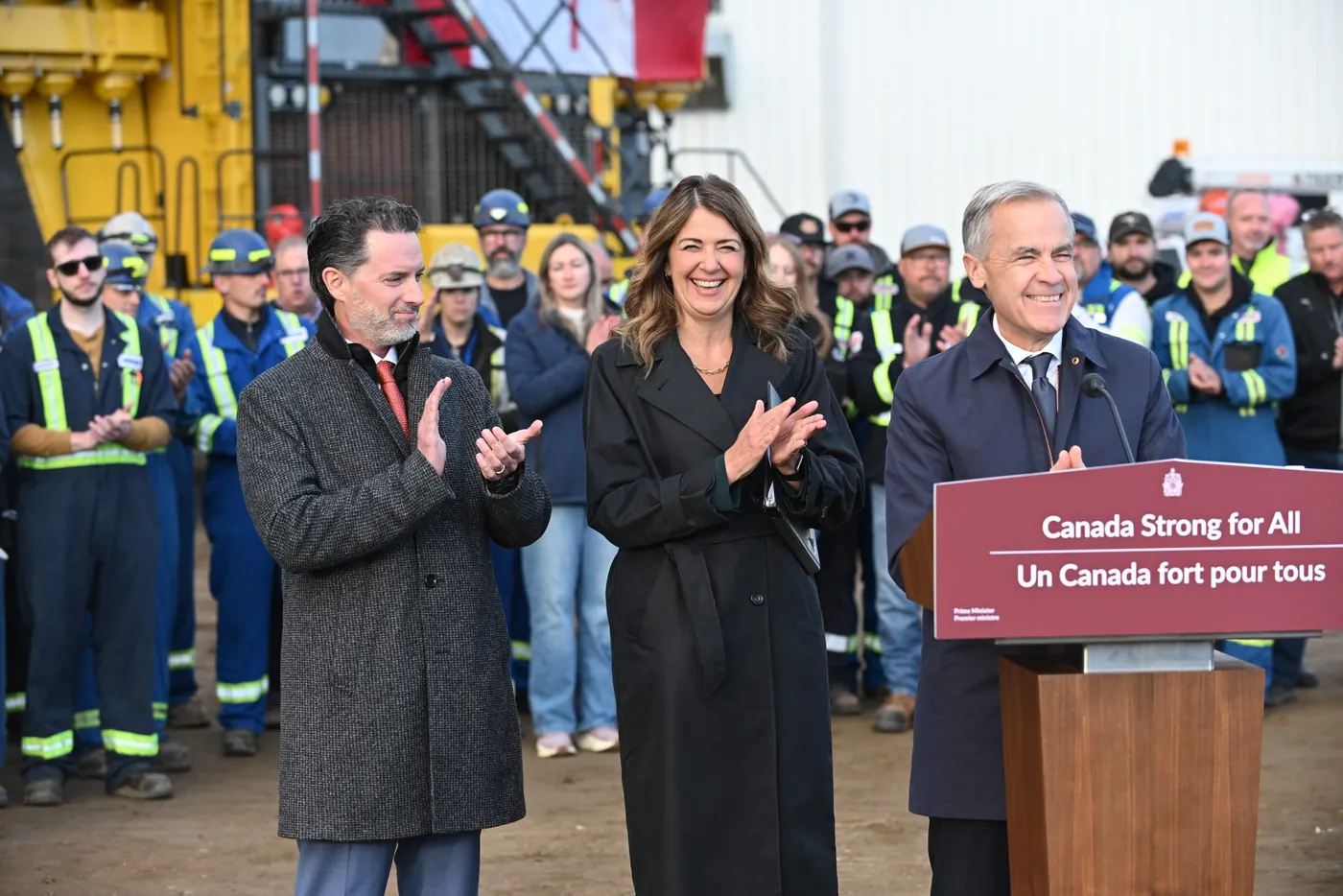
Prime Minister Mark Carney announced on Thursday that the pipeline – now referred to as the Pacific Link – had been officially listed under the Building Canada Act, setting off a one-year clock for the new Major Projects Office to develop a binding conditions document.
That is set to replace the permits the project would require under various laws, including the Canadian Energy Regulator Act, the Fisheries Act, the Species at Risk Act, the Canada Marine Act and Canadian Environmental Protection Act.
It’s the first time the government has listed a project under the Building Canada Act, known also as Bill C-5, and comes as Carney seeks to diversify Canada’s trading partners, setting a target to double Canada’s non-U.S.
The government says the move is needed because existing pipeline infrastructure is oriented mainly toward the U.S., a “structural vulnerability” as Washington ramps up its own crude imports from Venezuela.
“Canada is acting swiftly to counteract the undervaluation of one of our most important exports,” reads part of the explanatory note attached to the designation notice.
Ottawa argues a strong business case for the pipeline to Asian markets, pointing to Trans Mountain, which is currently running at capacity.
In the note, the government says “interest from potential buyers suggests meaningful demand exists.” Yrjö Koskinen, Director of Research at the Institute for Sustainable Finance, argues the federal government should wait before making a final investment decision for the project.
He notes that the implementation agreement with Alberta last May resulted in $34 billion in abnormal shareholder gains for Alberta-based energy companies, suggesting it has real value, but that could change once construction begins and the investment cannot be recovered.
Related News
- Oil & GasNew England natural gas prices have been trading near record discounts to Henry Hub
- Oil & GasWeekly average load in ERCOT continues near record high
- Oil & GasDangote Swings to $4.7 Billion Profit Ahead of Africa’s Biggest IPO
- Oil & GasWhy Diesel Prices Are So Much Higher Than Gasoline
- Oil & GasSaudi Arabia Becomes the Oil Market’s Biggest Wild Card
- Oil & GasTrump Defends Russian Diesel Deal as Energy Ceasefire Claims Unravel